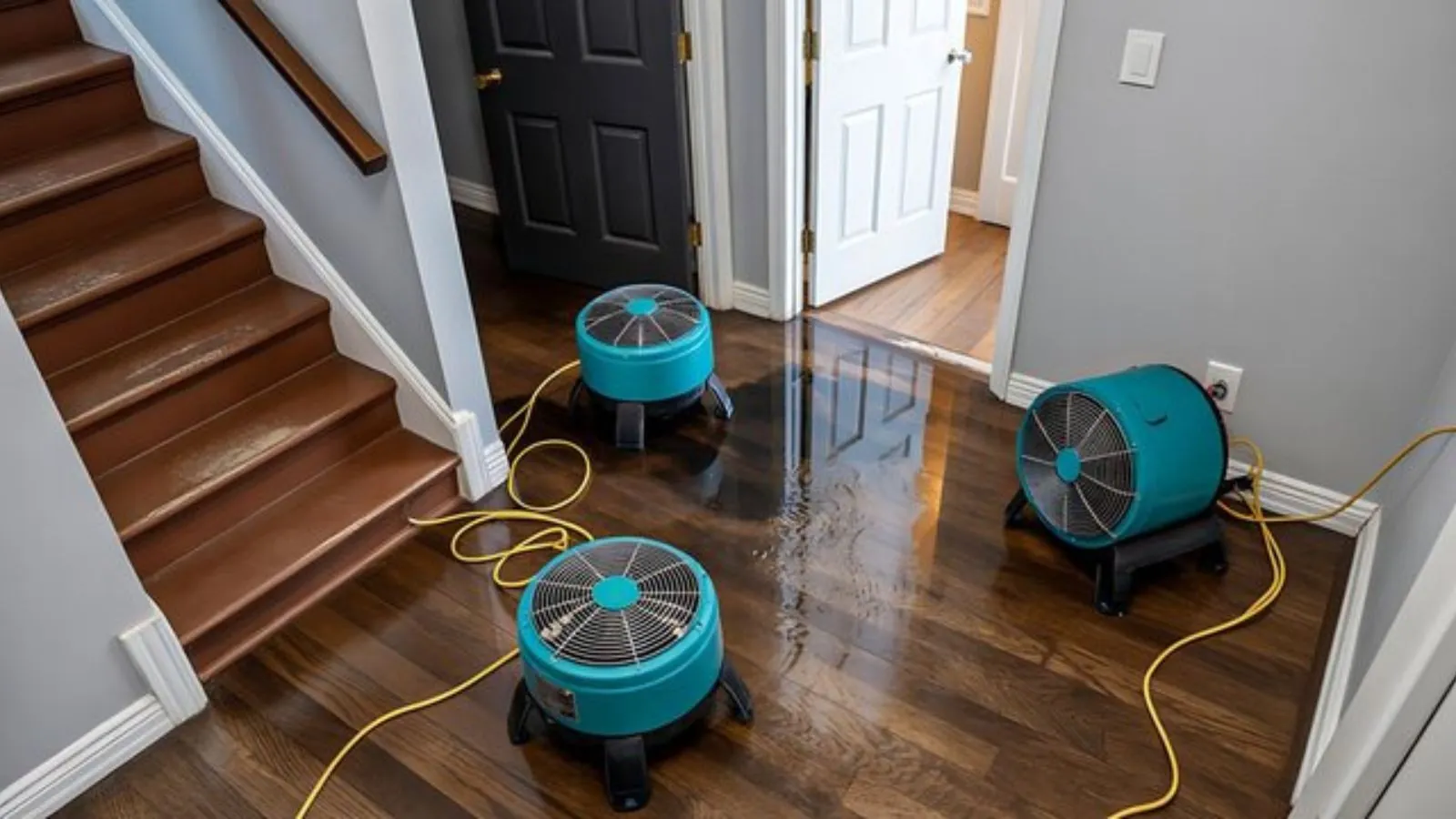
Start with the water category
Restoration standards sort water into three categories. Category 1 is clean water from a supply line. Category 2 carries some contamination, such as water from a washing machine or dishwasher. Category 3 is grossly contaminated, and it includes sewage and floodwater from outside. Time matters too, since clean water becomes worse after a day or two.
When you are not sure, treat the water as the worse category. It is safer to discard something than to keep it and be wrong.
Quick reference by category
| Item | Clean water (Cat 1) | Gray or contaminated water (Cat 2 or 3) |
|---|---|---|
| Solid wood furniture | Usually dried and kept | Cleaned by a professional or discarded. |
| Upholstered furniture | Often dried if caught quickly | Usually discarded. |
| Mattresses and pillows | Often discarded if soaked | Discarded. |
| Carpet | Often saved, pad replaced | Removed. |
| Clothing and linens | Washed and dried | Washed hot or discarded. |
| Food and medicine that touched water | Discard if wet | Discard. |
| Cardboard and paper | Dry quickly or discard | Discard. |
Furniture and large items
Solid wood and metal furniture handle water better than particleboard. Particleboard furniture swells and does not recover. Upholstery holds water and can grow mold within days. Lift items off wet carpet right away and put foil or blocks under the legs.
If the item has sentimental value, ask a professional before throwing it out. Some pieces can be cleaned or dried in a specialist facility.
Clothing, bedding and soft goods
Washable items touched by clean water can usually be laundered. Items touched by sewage or floodwater should be washed hot with detergent or discarded, depending on the item. Dry cleaning handles delicate pieces, and a professional can help with large rugs. Do not leave wet laundry in a pile, since mold starts fast.
- Wash quickly and dry fully.
- Discard anything with a lingering odor after washing if the water was contaminated.
- Bag items you plan to discard and label them for your inventory.
Food, medicine and kitchen items
Discard food and medicine that touched floodwater or sewage. Cans and jars can sometimes be disinfected, but follow public health guidance and when in doubt throw them out. Dishes and pans made of hard, nonporous materials can be washed and sanitized. Wooden cutting boards and porous items are usually discarded after contaminated water.
Check the refrigerator and freezer if power was lost during the same event.
Water still spreading? Call now.
Call (833) 521-1033Building materials
Floors, walls and insulation have their own rules. Carpet pad, wet insulation and soaked drywall in the path of contaminated water are removed. Clean-water drywall that is still firm may dry in place. See the carpet page and the wall page for those materials.
Keep photographs of everything you discard, with a rough value and age, for your claim.
How to make the call on borderline items
For items you are unsure about, ask three questions. Was the water clean or contaminated? How long was the item wet? Can it be fully cleaned and dried without damage? If the answer to the first is contaminated, or the second is more than a day or two and the item is porous, discard it. If the item is valuable, a specialist may be able to help, but they need to see it quickly.
Keep a few photographs of discarded items and note the number and kind. This is the record your insurer will most likely ask for.
Handling and disposal safely
- Wear gloves, boots and eye protection when handling wet or contaminated items.
- Bag items before moving them through clean rooms.
- Keep contaminated items away from food and children.
- Check with the Town about how to dispose of large items and building debris.
The crew can help you sort and remove large quantities, and it can tell you what it expects to remove from the structure.
How the standard sorts salvageable items
ANSI/IICRC S500 distinguishes porous, semi-porous and non-porous materials and sets different expectations for each. Non-porous items from clean water are usually cleaned and kept. Porous items from contaminated water are generally discarded.
Document before you discard
- Photograph each item and the pile.
- List the item, age, brand and replacement value.
- Keep small samples of unusual materials if the insurer might ask.
- Ask your insurer when it needs to see items in person.
Do not delay safety. If an item is contaminated or moldy, bag it and photograph it, then remove it.
If the water came from a Manchester brook or sewer
Several brooks and the Hockanum River cross Manchester, according to town planning documents. Water that enters a house from outside is treated as contaminated, so the right-hand column of the table applies. See the basement page for the cleanup process.
Standard homeowners policies in Connecticut exclude flood damage, according to the state Insurance Department, so keep an itemized list in case a separate flood policy applies.
Frequently asked questions
Can I keep a mattress that got wet?
Usually not if it was soaked, since mattresses hold water and grow mold. Check with the manufacturer or a cleaning professional if it has high value.
Are canned goods safe after a flood?
Follow public health guidance. Cans and jars touched by floodwater can sometimes be sanitized, but when in doubt throw them out.
Can photographs and papers be saved?
Often yes if frozen or dried quickly. Many specialists handle documents and photographs.
Where can I find guidance for flooded Manchester homes?
Your restoration crew, your insurer and local public health officials can all advise, and the FEMA site covers flood recovery topics.
Still have questions? Call (833) 521-1033