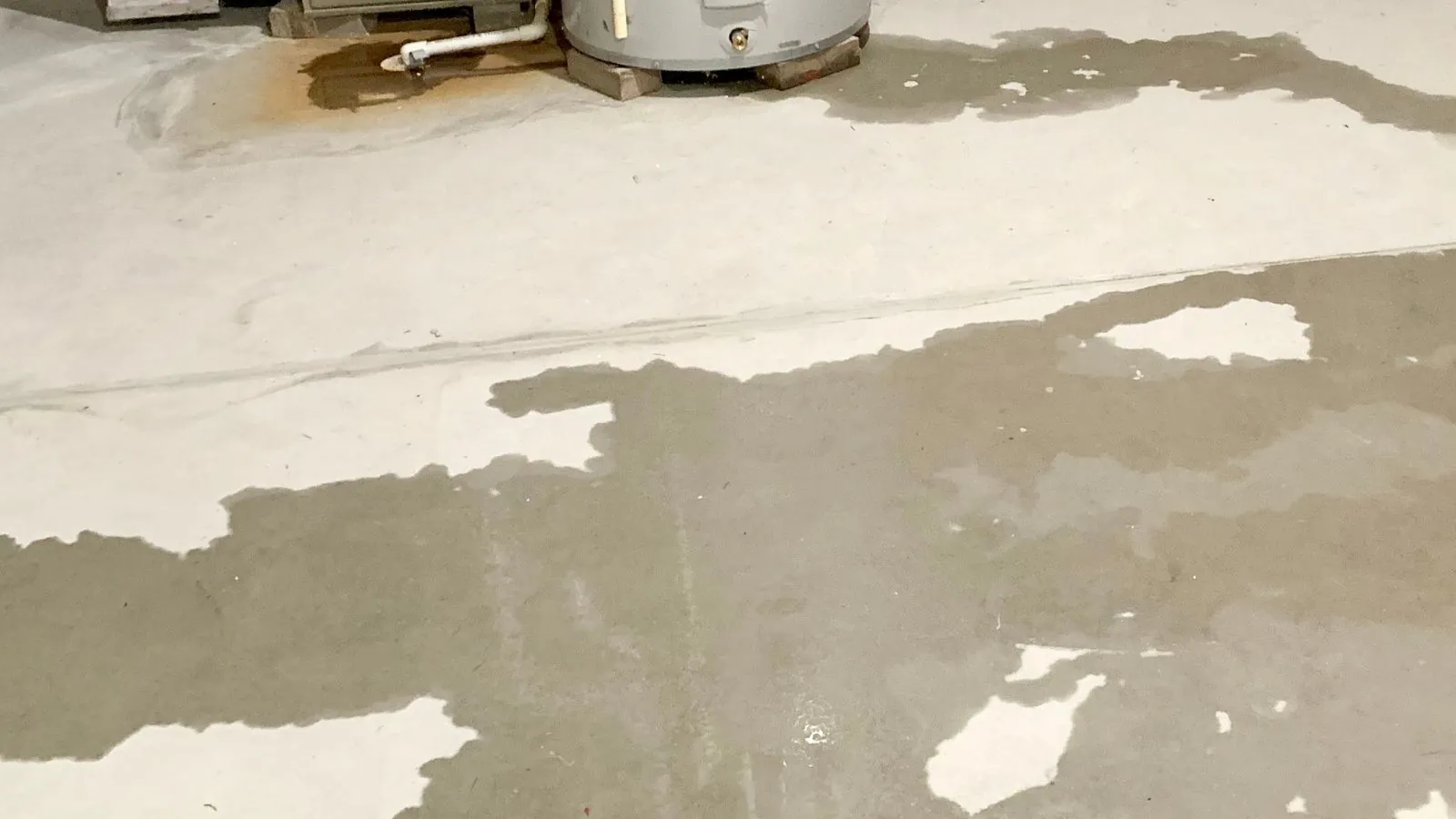
A Flooded Basement Is an Emergency, and Time Sets the Damage
Water in a basement soaks stored boxes, carpet, drywall and furnace and panel areas. The line is answered 24/7. If the water is rising or touches the electrical panel, outlets or the furnace, stay out and call the utility or 911 before you call us.
Even a few inches of water can ruin carpet, pad and cardboard, and finished walls wick it upward. Getting the water out within a day keeps more materials dry enough to save.
Before We Arrive: Flooded Basement Steps
Electrical safety
Do not enter standing water if outlets, the panel or appliances are in it. Call the utility if you are unsure.
Find the source
Note whether it is rain, a pipe, a failed sump or a drain. The source guides the fix.
Move what you can
Lift boxes and valuables from the floor and carry them up only if the stairs and the water are safe.
Photograph
Take pictures of the water line and the items affected before they are moved.
Where basement water comes from
- Rain and snowmelt pushing through the foundation or window wells.
- A failed or overwhelmed sump pump.
- A burst or leaking pipe, water heater or washer.
- Sewer or floor drain backup.
- Groundwater rising along the slab edge.
The source decides who fixes it. A plumber handles pipes, a drainage contractor handles grading and sumps and the restoration crew handles the water and damage.
Manchester basements and what they hold
No local source says how many Manchester houses have basements, so this page does not guess. Town planning documents list the Hockanum River and several brooks, including Bigelow Brook and Birch Mountain Brook, and describe a drainage pattern that runs west. In wet seasons, low-lying lots near waterways can see more groundwater, but any basement can take on water from a plumbing failure.
When water arrives with the smell of sewage, treat it as contaminated and follow the sewage cleanup steps. For water from the sky, the storm page has more.
How basement cleanup works
- Make the room safe and shut off electricity where needed.
- Pump out standing water and extract carpet and floor surfaces.
- Remove wet carpet, pad, insulation and drywall that cannot be dried.
- Dry the slab, walls and framing, checking readings daily.
- Rebuild finishes and restore the space.
The drying phase is described on the structural drying page.
Water still spreading? Call now.
Call (833) 521-1033What to keep and what to discard in a basement
| Item | Clean water | Contaminated water |
|---|---|---|
| Carpet and pad | Pad usually goes, carpet sometimes saved | Both removed. |
| Drywall | Cut out wet sections and dry framing | Removed. |
| Cardboard and paper | Discard if soaked | Discard. |
| Concrete slab | Dry and clean | Clean and disinfect. |
| Wood furniture | Often dried and saved | Evaluate case by case. |
Cost and insurance for basement water
What moves the price
These factors set the scope:
- The depth, source and category of the water.
- Whether the basement is finished.
- The area of carpet and drywall involved.
- The drying days.
- The rebuild scope.
Want your real number? Call (833) 521-1033.
Water from a burst pipe is often covered, while groundwater and surface flooding usually are not without flood coverage. Sump failure and backup coverage may need an endorsement. Check your policy.
Sump pumps and drainage in a wet basement
A sump pump collects groundwater in a pit and sends it outside. When it fails, whether from a power outage, a stuck float or an old motor, water collects fast. A battery backup keeps it running during outages. The pump should discharge well away from the foundation, because water that returns to the pit runs the pump nonstop.
The restoration crew handles the water already inside. A drainage or plumbing contractor handles the sump and the grading.
Finished and unfinished basements compared
An unfinished basement with a bare slab is simple to clean and dry, and most of the work is extraction and disinfection. A finished basement has carpet, drywall and insulation that hold water, so the scope grows. Storing items on shelves and in plastic bins keeps them out of the first inch of water.
Standards for basement drying
ANSI/IICRC S500 is the published standard for drying below grade. It expects crews to separate clean sources from ground water, to measure moisture in concrete, framing and finishes, and to keep drying until readings are back in range. Finished basements can hold moisture behind paneling and carpet.
Where we respond to basement calls
A flooded basement anywhere in 06040, 06041, 06042 or 06045 goes to the same 24/7 line. So do calls from East Glastonbury, South Glastonbury, Marlborough, East Windsor Hill, Bloomfield, Poquonock, South Windsor, Broad Brook, Hartford, Rocky Hill, Windsor, East Windsor, Newington, Glastonbury, Wethersfield, East Hartford and West Hartford.
Frequently asked questions
Do you handle basement flooding emergencies at night or on weekends in Manchester?
Yes. The line is answered 24/7, and basements often flood overnight during heavy rain.
Will my insurance cover groundwater in the basement?
Usually not. Groundwater and surface flooding are typically excluded unless you carry flood coverage. A burst pipe is different, so check your policy.
Can I pump the basement myself?
Shallow clean water can be handled with a wet vacuum. Deep water, water near electrical equipment or contaminated water should go to a crew.
How fast does mold start?
It can begin when materials stay damp for a day or two, which is why drying quickly matters.
Still have questions? Call (833) 521-1033