A Sagging or Dripping Ceiling Is an Emergency
A ceiling that is dripping, bulging or sagging is holding water, and a wet ceiling can come down. The line is answered 24/7, so call, then stay out from under the bulge and put a bucket under any drip.
Poking a small hole at the low point of a bulge can relieve the weight, but only do that if you can do it safely from the side and without standing under it. If the ceiling is near light fixtures or wiring, leave it and call.
When a ceiling leak becomes an emergency
- The ceiling is bulging, cracked or sagging.
- Water is dripping steadily or running along a light fixture.
- The stain is growing, even if the weather has cleared.
- The room below has been wet for more than a day.
Water and electricity do not mix. If water is near a ceiling fixture, turn the circuit off at the panel only if you can reach it dry, and otherwise call the utility or 911.
Where ceiling water comes from
The visible stain is only where the water finally reached the ceiling. The source can be a roof leak through shingles and decking, an upstairs toilet or tub, a supply line in the attic, an air handler drain or a bathroom fan duct. Finding the source matters, because drying and repairing the ceiling while the source is still active is wasted work.
In Manchester, the older wood-frame homes in the Manchester Historic District, which is mostly one and two family houses, and the later apartment blocks nearby share a general feature, many floors stacked over living space. That raises the chance that a leak upstairs becomes a ceiling stain below, but the source is always found by inspection, not guessed from the address.
Roof leak water damage in a Manchester ceiling
Roof leaks have their own section here because they usually end in a ceiling. Rain or snowmelt gets past shingles, flashing or a chimney joint, wets the decking and insulation, and then travels along rafters and joists before it drops through drywall. The wet area in the attic is often a few feet from the stain below.
The restoration crew dries the attic and ceiling, removes insulation that stays wet and rebuilds the ceiling. Roof repair itself is roofing work, and a roofer should fix the opening before the drywall is closed. Before the ceiling is rebuilt, ask the Building Inspection Division whether a permit applies. Building, electrical, mechanical and plumbing permits are separate.
How ceiling repair is done
- Stop the source, whether it is a roof opening, a plumbing line or a condensate drain.
- Check the ceiling and attic with a moisture meter and thermal camera.
- Cut out the sagging or soaked section of ceiling drywall and any wet insulation above it.
- Dry the joists and decking with air movers and dehumidifiers.
- Replace the drywall, tape, texture and paint to match.
Which ceiling repair path fits
| Condition | Likely path | Why |
|---|---|---|
| Small brown stain, dry to the touch | Find the source, treat the stain, repaint | The drywall may be sound if it never saturated. |
| Soft, bulging or cracked ceiling | Cut out and replace the damaged section | Saturated drywall loses strength and can collapse. |
| Wet attic insulation | Remove wet insulation and dry the framing | Insulation holds water and feeds mold. |
| Stain returns after repainting | Look for an active leak | Paint cannot stop a moisture source. |
Water still spreading? Call now.
Call (833) 521-1033Cost and insurance for ceiling water damage
What moves the price of ceiling work
A ceiling job is priced from:
- The size of the ceiling area affected.
- Whether the attic insulation is wet.
- The water category, which is clean for most roof and supply leaks.
- The drying days.
- The texture and paint match required.
Want your real number? Call (833) 521-1033.
Water from a sudden roof or plumbing failure is often a covered cause, but wear and gradual leaks often are not. Photograph the ceiling and the attic and ask your insurer.
Before We Arrive: Ceiling Leak Steps
Stay clear
Keep people out from under a bulging or sagging ceiling.
Catch the drip
Put a bucket under a drip and move furniture and rugs out of the way.
Power
If water is near a light fixture, switch off its circuit only from a dry spot. Otherwise call the utility or 911.
Photograph
Photograph the stain, the bulge and the room before anything moves.
What the attic tells you
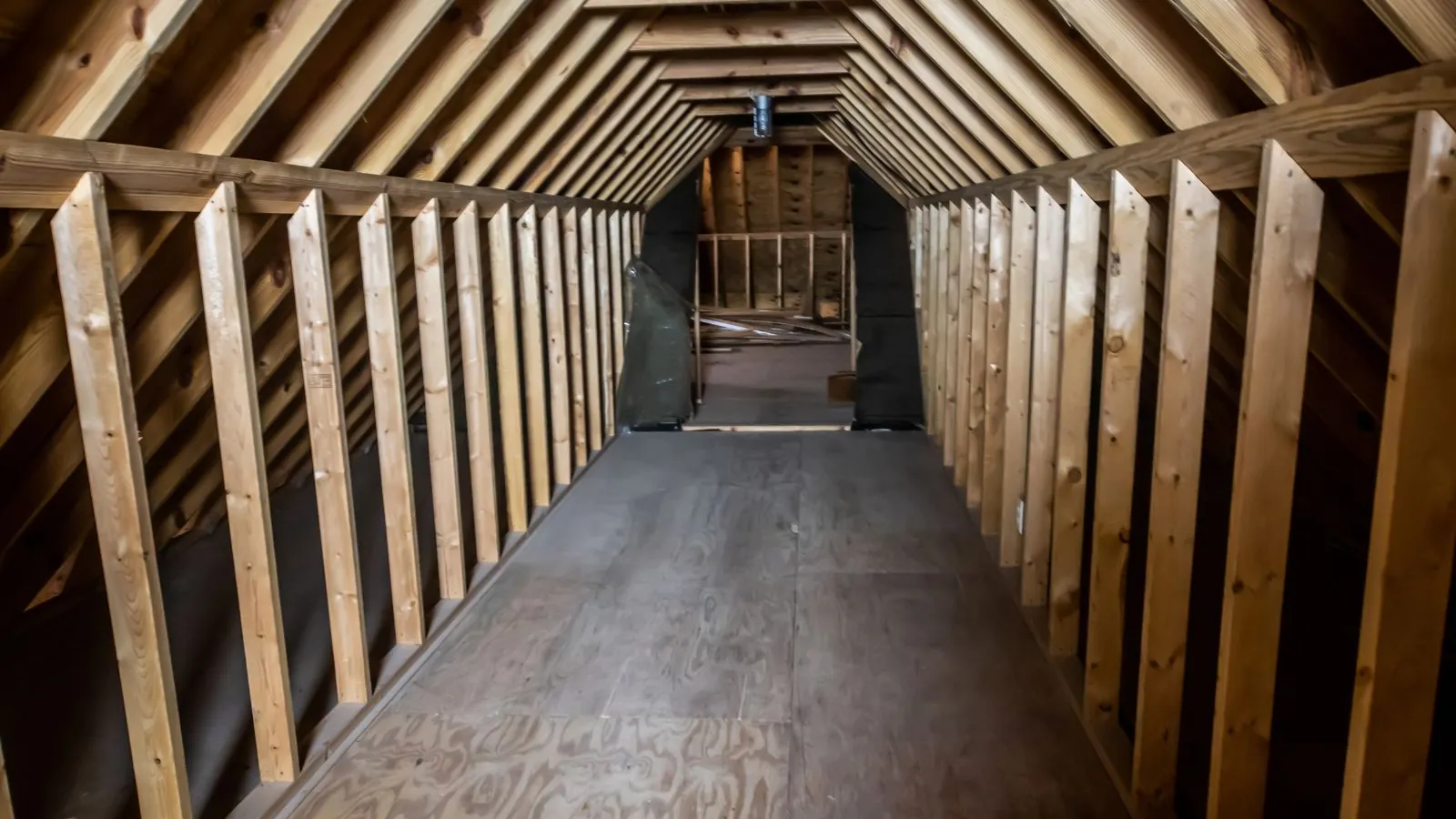
The ceiling stain is a symptom, and the attic holds the explanation. Looking at the underside of the roof deck shows dark stains where leaks start, and wet or matted insulation shows where water collected. If the attic is difficult to reach, a crew can use a thermal camera from the room below to find cool, wet areas.
Check the area around chimneys, vents and valleys, where roof leaks usually begin. For bathroom leaks, look for wet insulation under the tub or toilet and for a fan duct that drips condensation.
Where else ceiling water shows up
Rain that enters through a damaged roof is covered on the storm water page, and an air handler that drips is covered on the AC leak page. Water that traveled down inside the wall is covered on the wall and drywall page, and the structural drying page explains how the attic and framing are dried.
Where the standard applies overhead
ANSI/IICRC S500 covers wet ceiling assemblies the same way it covers floors. Insulation that has absorbed water is generally removed and drywall that has sagged is cut out, because neither dries reliably in place. Readings above the ceiling line decide how far the opening needs to go.
Coverage for ceiling leak calls
Ceiling and attic leak work is available across 06040, 06041, 06042 and 06045. It also reaches Bloomfield, West Hartford, Hartford, Broad Brook, East Windsor Hill, Poquonock, Marlborough, Windsor, Glastonbury, South Windsor, Newington, Rocky Hill, Wethersfield, East Glastonbury, East Hartford, South Glastonbury and East Windsor.
Frequently asked questions
Do you handle ceiling leak emergencies at night or on weekends in Manchester?
Yes. The line is answered 24/7. Storms often bring ceiling leaks at night, and the dispatcher takes those calls.
Should I pop a bulging ceiling?
Only if you can safely do it from the side and away from wiring, and only to relieve weight. When in doubt leave it and call.
Do you repair the roof?
No. The restoration crew dries and rebuilds the ceiling, and a roofer fixes the opening. Closing the ceiling before the roof is fixed risks repeating the damage.
How do I know the ceiling above a bathroom is wet from the tub?
A moisture meter and thermal camera trace the wet area back to a tub, toilet or supply line. A stain alone does not identify the source.
Still have questions? Call (833) 521-1033