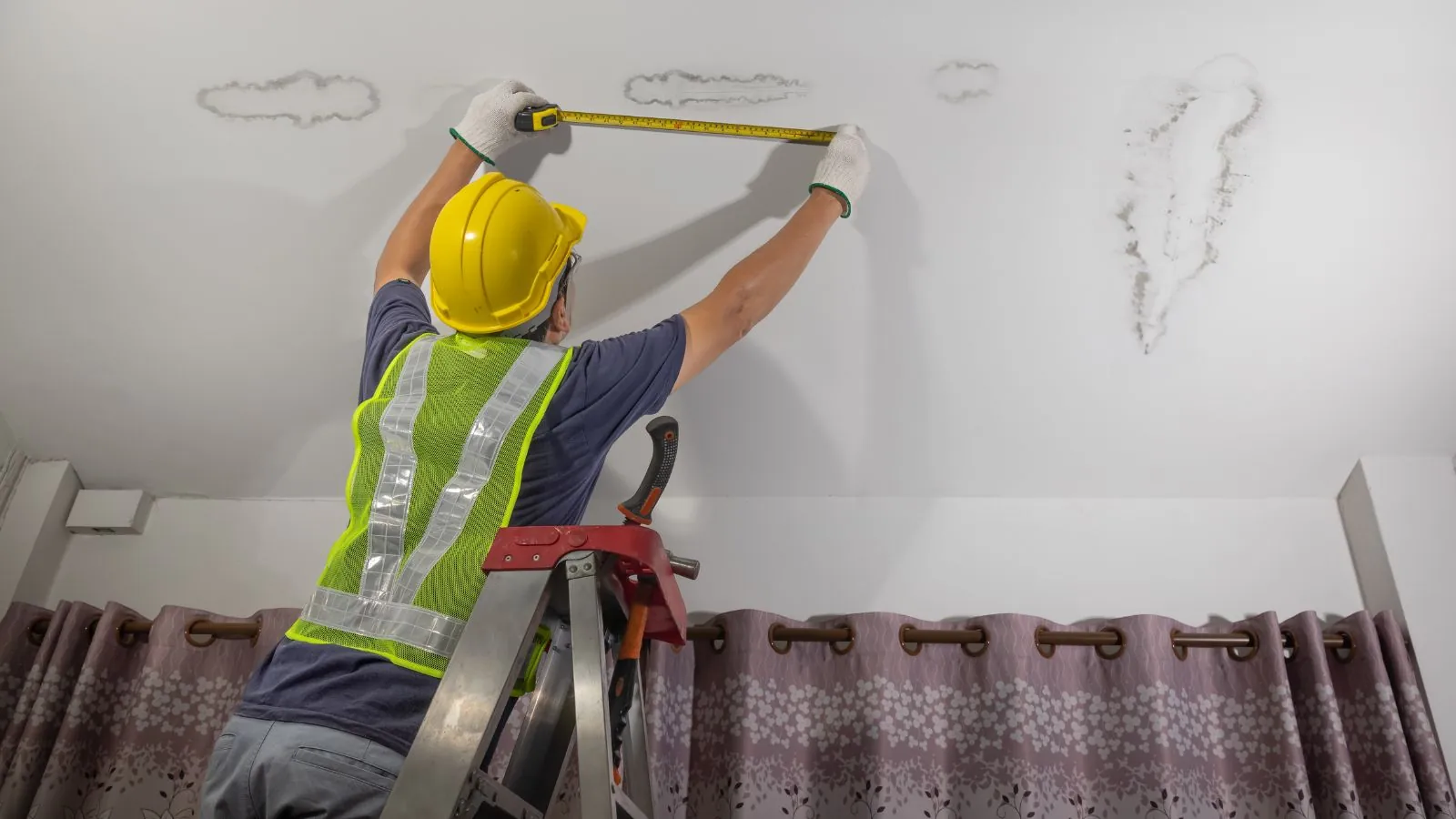
A Commercial Water Loss Is an Emergency for Everyone in the Building
A leak in a store, office or multi-unit building affects tenants, inventory and neighbors. The line is answered 24/7. Close the water supply to the affected area, move stock and equipment off wet floors if it is safe and tell the building owner or manager.
Commercial jobs usually cover more square footage than a house, and they often involve more than one party, such as an owner, a tenant and an insurer. Clear documentation matters as much as fast drying.
Before We Arrive: Commercial Water Loss Steps
Stop the source
Close the shut-off for the affected line. In a multi-tenant building, tell the manager.
Protect inventory and records
Move stock, files and electronics off the floor and away from the wet area.
Document
Photograph the damage, the inventory and the source before anything moves.
Notify
Call the property manager and your insurance contact. Tell the dispatcher the building type and the number of floors affected.
What commercial jobs involve
- Retail stores, restaurants and offices with finished interiors.
- Apartment buildings and mixed-use buildings with several units.
- Warehouses and light industrial space with slab floors.
- Churches, schools and community buildings.
- Water that travels through shared walls, floors or ceilings to neighbors.
A crew scales equipment to the building. Large drying jobs use many air movers and industrial dehumidifiers, and the work is often staged so a business can keep operating in the unaffected part.
Manchester buildings and what they mean for water loss
Downtown Manchester runs along Main Street, and the Cheney Brothers Historic District includes former silk mill buildings that are now apartments. Water in a multi-floor or multi-unit building runs down through floors and walls, so one broken line can touch several units. Check the unit below, and read about ceiling water damage when stains appear.
Commercial work may need building and fire code coordination. A restoration project that includes rebuilding may need a permit, and the Manchester Building Inspection Division is where an owner or contractor asks.
How commercial restoration works
- Stop the water, secure the area and check electrical safety.
- Extract water and remove wet materials that cannot be dried.
- Map moisture across floors and shared walls.
- Dry the structure with industrial equipment and track readings daily.
- Rebuild, coordinating with the owner, tenant and insurer.
Commercial and residential jobs compared
| Feature | Commercial | Residential |
|---|---|---|
| Size | Larger and multi-room or multi-floor | Usually a few rooms. |
| Parties involved | Owner, tenant, manager and insurer | Homeowner and insurer. |
| Documentation | Detailed logs and inventory lists | Photos and readings. |
| Scheduling | Phased work to keep operating | Usually the whole space at once. |
Water still spreading? Call now.
Call (833) 521-1033Cost and insurance for commercial water damage
What moves the price
Commercial costs depend on:
- The floor area and number of floors affected.
- The materials, such as carpet tile, drywall or slab.
- The drying equipment and days needed.
- The need to phase work around operations.
- The rebuild scope.
Want your real number? Call (833) 521-1033.
Commercial policies differ in what they cover, including lost income. Check your policy and notify your insurer early. For homes, the flood damage page has related coverage notes.
Keeping a business running during restoration
The goal is to keep downtime short. Crews can isolate the wet zone with barriers, run dehumidifiers on a separate circuit and work in the evening or on weekends to avoid the busiest hours. Fixtures, shelving and inventory can often be moved to a dry area and returned after the readings are normal.
A short call with the manager at the start settles access, key holders and what areas must stay open.
Documents a commercial insurer may ask for
- Photographs of the damage and the source.
- An inventory of damaged stock and equipment.
- Moisture and equipment logs for each drying day.
- Invoices and receipts for emergency work.
- The timeline of when the loss was found and what was done.
Methods carry over from homes to larger buildings
Extraction and drying at commercial scale use the same methods as in a house, described on the water extraction page and the structural drying page. The difference is the number of units, the staging and the paperwork. If a failed pipe was the source, the burst pipe page covers the first steps.
Standards used on commercial losses
ANSI/IICRC S500 applies to commercial buildings as well as homes, and its documentation expectations matter more on a business loss. Moisture logs, equipment records and photographs are the paperwork that a property manager or insurer will ask for.
Where we respond to commercial calls
Businesses and building managers in 06040, 06041, 06042 and 06045 reach the same commercial dispatch. So do those in Broad Brook, Poquonock, Wethersfield, Newington, Rocky Hill, Hartford, South Windsor, West Hartford, Marlborough, East Windsor Hill, South Glastonbury, Windsor, East Hartford, East Windsor, East Glastonbury, Bloomfield and Glastonbury.
Frequently asked questions
Do you handle commercial water emergencies at night or on weekends in Manchester?
Yes. The line is answered 24/7. A water loss after hours is common, because leaks go unnoticed until the building is empty.
Can you work while my business stays open?
Often yes. Work can be staged by area, depending on how far the water spread and what is safe.
Do you coordinate with my landlord or property manager?
The crew can work with the manager on access and shutoffs. You and the owner decide who talks to the insurer.
What records do you keep?
Photographs, moisture readings and equipment logs. They support the insurance claim and show when the space reached a dry standard.
Still have questions? Call (833) 521-1033