Drying Is a Measured Process, Not a Fan in the Corner
Removing standing water does not make a building dry. Wood, drywall, insulation and concrete hold water inside the material, and it leaves slowly. Structural drying uses air movers, dehumidifiers and sometimes specialty equipment, and a technician checks moisture readings on a schedule until they match normal levels.
The reason drying matters is timing. Materials that stay wet for several days become candidates for mold and rot, and what could have been saved turns into a replacement.
The equipment and what each piece does
Air movers
High-velocity fans that push air across wet surfaces so water evaporates.
Dehumidifiers
Pull evaporated water out of the air so the room does not just recirculate humidity.
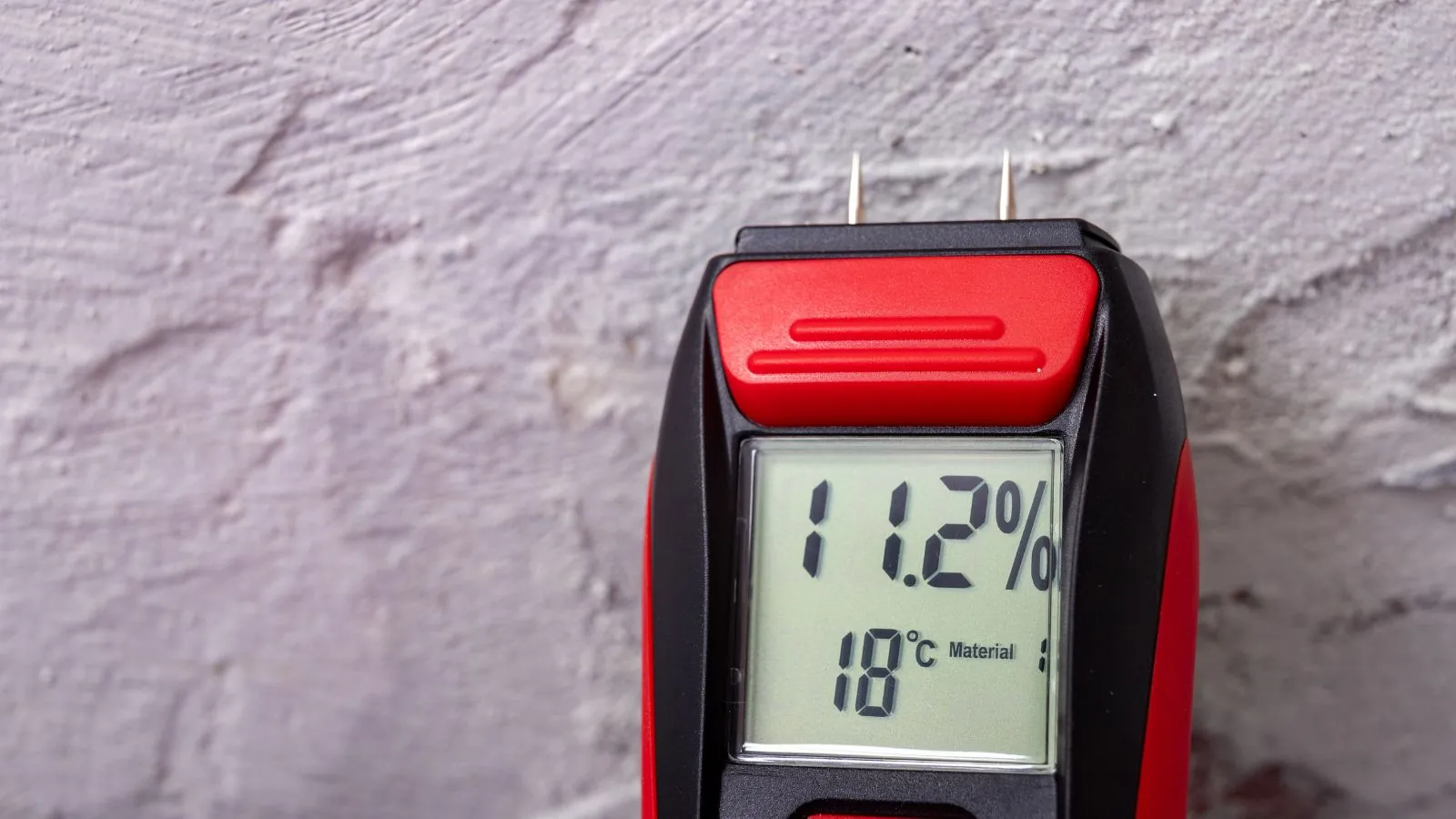
Moisture meters
Read moisture content in wood, drywall and concrete without cutting them open.
Thermal cameras
Show cooler wet areas behind walls and under floors so they can be checked with a meter.
How a drying job runs
- Take baseline readings and set the dry standard from unaffected materials in the same house.
- Place air movers and dehumidifiers based on the room volume and wet area.
- Open small access points, such as a toe kick, a wall base or a floor edge, where trapped water needs a path out.
- Return daily to read, move equipment and adjust.
- Remove equipment only once readings match the dry standard.
The number of days depends on how wet the materials were, the weather and the humidity indoors, so a crew gives a plan based on readings rather than a fixed schedule.
Why drying is different in Manchester homes
The Cheney Brothers Historic District includes houses built for mill owners and workers, and older buildings like these often have thick plaster, old lumber and layered floors, all of which hold water differently than new drywall. A drying plan for plaster and lath differs from a plan for modern gypsum board, and the crew adjusts equipment to the material.
Connecticut has humid summers, so in warm months the dehumidifiers work harder because the outside air adds moisture. In winter, dry indoor air helps but cold walls can trap condensation.
Drying approaches compared
| Approach | Best for | Limit |
|---|---|---|
| Air movers alone | Light surface moisture on one floor | Does not remove humidity from the room. |
| Air movers plus dehumidifiers | Most water losses | Needs closed windows and steady power. |
| Targeted cavity drying | Water inside walls and under cabinets | Needs small access openings. |
| Demolition then drying | Materials that cannot be dried | Adds a rebuild stage. |
Cost and insurance for structural drying
What moves the price
Drying is priced from:
- The size of the wet area and the materials in it.
- How many pieces of equipment are placed.
- The number of drying days until readings are normal.
- Access and difficulty of reaching trapped moisture.
- Any demolition needed.
Want your real number? Call (833) 521-1033.
Drying that follows a covered loss is usually part of the same claim. Keep the daily moisture logs, because insurers often want to see that the building reached a dry standard. This links to the earlier step of extracting standing water.
Water still spreading? Call now.
Call (833) 521-1033What moisture readings mean
Wood is considered dry when its moisture content settles near the level of unaffected wood in the same building. Drywall and concrete have their own scales, and meters are set for each material. A technician records readings on every visit, so you can see the numbers fall and know when the job is done. A wall that looks dry but reads high is still wet.
Readings also protect you. If a question comes up later, the logs show that the structure reached a dry standard.
How to help the drying along
- Keep doors and windows closed in the drying zone so the dehumidifiers work on the room air.
- Leave equipment running and do not unplug it to charge a phone.
- Keep interior doors open where the crew asks, so air can circulate.
- Tell the crew if a breaker trips, since power loss stops the process.
Equipment draws electricity, and a crew will tell you how much to expect and how to run the circuits safely.
Where drying is used most
Drying is part of nearly every water job, including the basement and the carpet work described on their pages. It follows the removal of standing water, as in the sewage backup and flood cases, where disinfection comes before drying starts.
What to do while drying equipment runs
Keep equipment plugged in and running, do not turn the dehumidifiers off to save noise, and keep doors and windows closed in the drying area unless the crew says otherwise. Call if a machine stops, because a pause in drying lets materials stay wet.
The published drying standard
ANSI/IICRC S500 is the reference for structural drying. It describes psychrometrics, meaning how air temperature, humidity and moisture in materials relate, and it expects drying to be monitored and recorded until the wet materials reach their goal.
Where we provide drying
Drying services run across ZIP codes 06040, 06041, 06042 and 06045. They also reach South Windsor, East Windsor Hill, Broad Brook, Glastonbury, East Glastonbury, East Hartford, South Glastonbury, Rocky Hill, Bloomfield, Hartford, East Windsor, Windsor, Poquonock, Wethersfield, Newington, Marlborough and West Hartford. If a smell has already started, read about mold remediation.
Frequently asked questions
How long does structural drying take?
It depends on the materials and how wet they were. The crew reads moisture each visit and stops when readings match the dry standard.
Can I run my own fans and dehumidifier?
Household equipment helps a little with surface moisture, but it will not reach water inside walls and floors, and it will not tell you when the job is done.
Will the equipment be loud?
Yes, air movers and dehumidifiers are noisy, and they run continuously. The noise is the sign the drying is working.
Do you need to cut into my walls?
Only where readings show trapped water. Often a small opening at the base of a wall or under a cabinet is enough.
Still have questions? Call (833) 521-1033