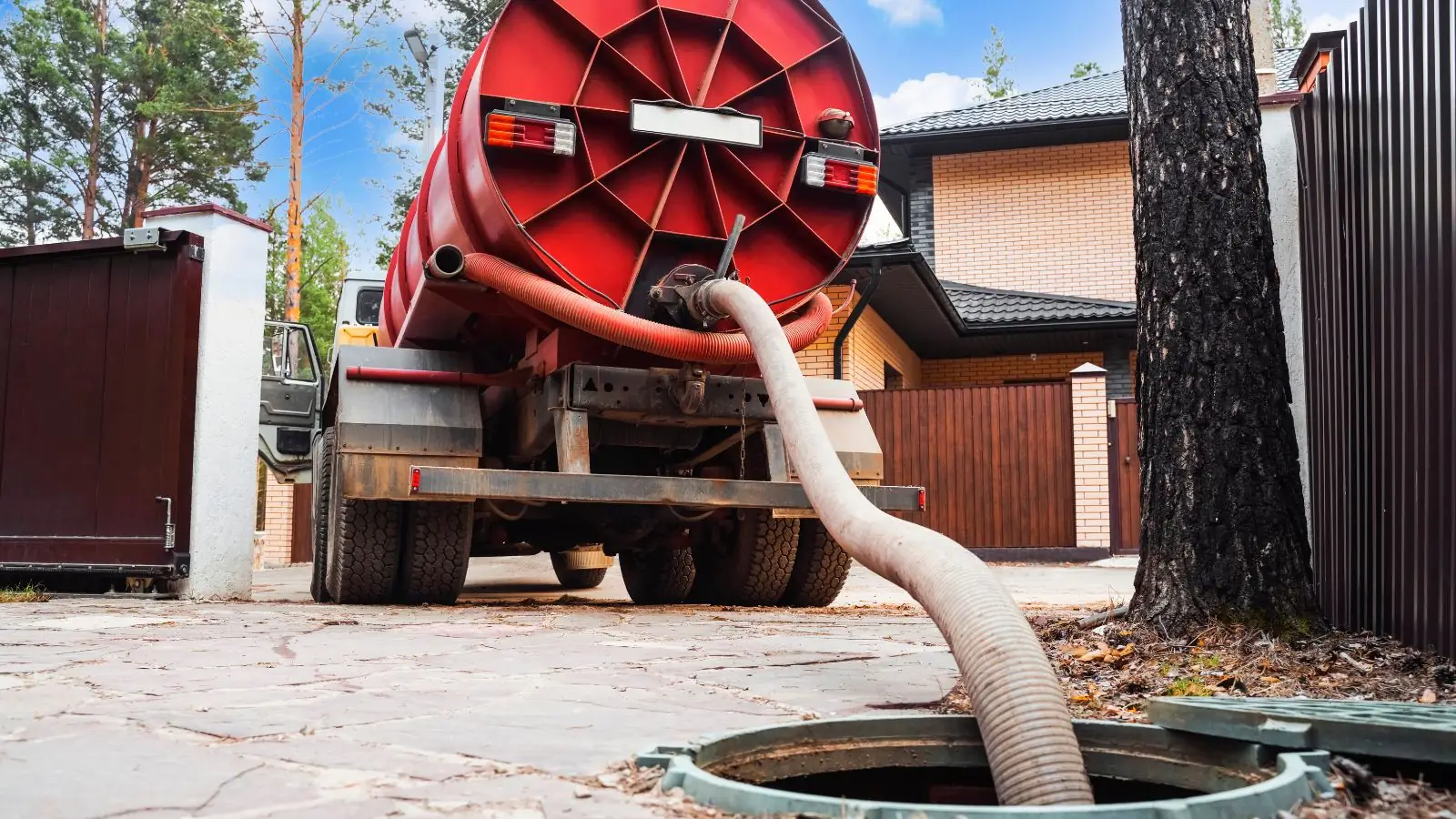
Sewage Backup Is an Emergency and a Health Hazard
Water that comes up through a floor drain, toilet or tub from the sewer line carries bacteria and other contaminants. Treat it as an emergency. The line is answered 24/7, and until the crew arrives you should keep people and pets away and avoid running water, flushing or doing laundry.
Do not clean it up yourself with a mop and household bleach. Contaminated water soaks into porous materials and is spread by the tools you use.
Before We Arrive: Sewage Backup Safety
Stop using water
Do not flush, run the dishwasher or do laundry. More water adds to the backup.
Keep clear
Keep children, pets and anyone with a weak immune system out of the area.
Protect yourself
If you must enter, wear boots and waterproof gloves and wash with soap afterward.
Find the source
Note whether only one drain is affected or every drain in the house, which points to the main line or the street.
Where the backup comes from
A backup is either a blockage in your own lateral, the pipe that runs from the house to the main, or a problem in the public sewer. Roots, grease and collapsed pipe cause private blockages. Heavy rain can overload a public line.
The public sewer belongs to the Town. If neighbors on the same street also have backups, report it to the Department, and a plumber can tell you whether the stoppage is on your side of the property line.
How sewage cleanup works
- Put on protective equipment and isolate the affected area.
- Extract contaminated water and remove solids.
- Remove porous materials that cannot be cleaned, such as carpet, pad, insulation and low drywall.
- Clean and disinfect hard surfaces and framing with products suited to contamination.
- Dry the area with air movers and dehumidifiers and verify readings before rebuilding.
Standing water is removed as described on the water extraction page, and the damp structure goes through structural drying.
Which materials are removed and which are cleaned
| Material | After sewage contact | Reason |
|---|---|---|
| Carpet and pad | Removed | Porous and cannot be reliably disinfected. |
| Drywall and insulation | Removed where wetted | Absorb and hold contamination. |
| Tile, concrete, sealed floors | Cleaned and disinfected | Non-porous. |
| Framing lumber | Cleaned, treated and dried | Solid and can be treated. |
| Upholstered furniture | Usually discarded | Cannot be fully cleaned. |
Water still spreading? Call now.
Call (833) 521-1033Cost and insurance for sewage backup
What moves the price
These factors set the price:
- The area the backup reached and the water depth.
- The amount of porous material to remove.
- Disinfection needs.
- The drying days.
- The rebuild scope.
Want your real number? Call (833) 521-1033.
Many homeowners policies exclude sewer and drain backup unless an endorsement was added, so check whether you carry that coverage. Photograph everything before it is cleaned up.
Health and safety during sewage cleanup
Sewage carries bacteria, viruses and parasites, so people with open wounds, young children and anyone with a weak immune system should stay out. Crews wear boots, gloves, eye protection and respirators, and they set up barriers so the contamination does not reach clean rooms. Do not use the HVAC system until the area is clean, since it can move contamination through the house.
If someone develops stomach symptoms or fever after exposure, contact a doctor.
After the cleanup, preventing a repeat
- Have a plumber camera the lateral to find roots, a belly or a collapse.
- Do not flush wipes, grease or hygiene products.
- Ask your insurer about water backup coverage.
- If a backwater valve is an option for your house, ask a plumber about it.
Where sewage water tends to end up
A backup through a floor drain usually lands in the bottom room, which is covered on the basement page. A leaking drain under a house can also affect the crawl space. Once the area is disinfected, the carpet page explains why porous flooring is removed.
Why sewage work follows a stricter standard
ANSI/IICRC S500 classes sewage as Category 3 water, which is presumed to carry harmful contaminants. That classification is why porous materials that were wetted are generally removed, why protective equipment is used and why the affected area is cleaned and disinfected as part of the scope.
Where we respond to sewage calls
Sewage cleanup crews respond in 06040, 06041, 06042 and 06045. They also respond in South Windsor, East Hartford, Windsor, Bloomfield, East Windsor Hill, Rocky Hill, South Glastonbury, East Glastonbury, Broad Brook, Newington, Glastonbury, Poquonock, Marlborough, West Hartford, East Windsor, Wethersfield and Hartford. A plumber must clear the blockage so the backup does not repeat.
Frequently asked questions
Do you handle sewage backup emergencies at night or on weekends in Manchester?
Yes. The line is answered 24/7. A sewage backup is always an emergency, so call whatever the hour.
Is sewage backup covered by homeowners insurance?
Often not unless you added water backup coverage. Check your policy or ask your insurer.
Can I clean up a small backup myself?
The risk is the contamination, not the amount. Porous materials that touched sewage should be removed, and a professional has the equipment for it.
Who fixes the blockage?
A plumber clears your lateral, and the Town handles the public main. The restoration crew handles cleanup, disinfection and drying.
Still have questions? Call (833) 521-1033