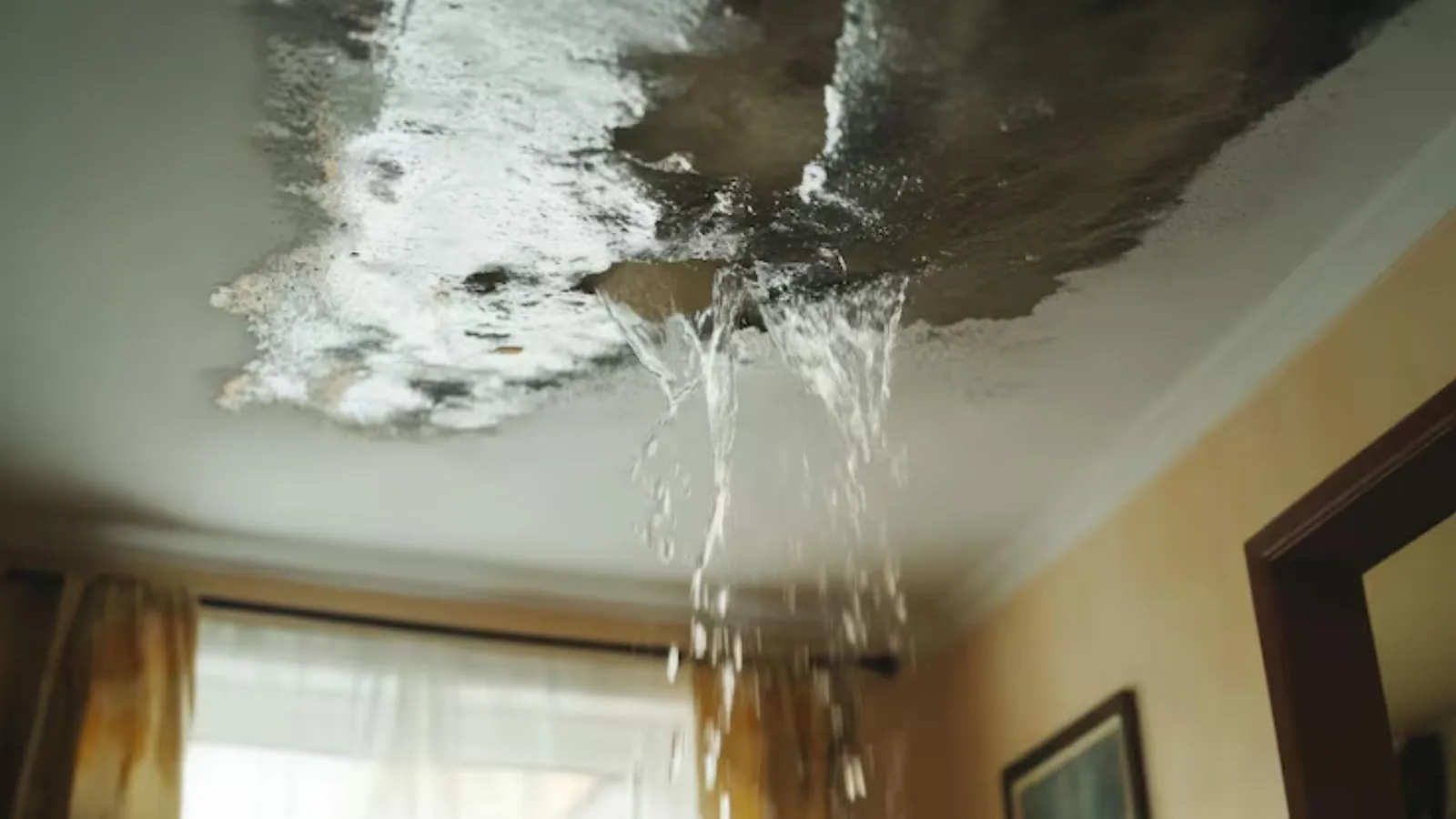
The line between a spill and a loss
A spill is a small amount of clean water on a hard surface that you can remove right away. A loss is water that has soaked into materials, traveled out of sight or come from a contaminated source. Most households can handle a spill. A loss needs readings and equipment.
When in doubt, remember that surfaces dry first and the inside of materials dries last.
Things a homeowner can reasonably do
- Mop or wet-vacuum a thin layer of clean water from tile, sealed concrete or vinyl.
- Lift rugs, move furniture and set foil under legs.
- Run a household dehumidifier in a small, closed area.
- Open windows when the weather is dry, and use a fan.
- Wipe down furniture and hard items and let them dry in the open air.
Check the area again after a day, and with a meter if you have one. If the baseboard feels cold or damp, a deeper look is needed.
Things that need a crew
| Situation | Why a homeowner can not finish it |
|---|---|
| Water in a wall or under a floor | Fans do not reach the water inside the cavity. |
| Carpet and pad soaked | Pad holds water and needs extraction and often replacement. |
| Sewage or floodwater | Contamination requires protective gear and disinfection. |
| Water for more than a day | Mold risk grows and materials may need removal. |
| Water near electrical equipment | Shock hazard. |
How to use household equipment well
A wet-dry vacuum works on thin water on hard floors but should not be used if the outlet or cord is wet. Box fans move air but do not remove humidity, so run a dehumidifier in the same closed room. Keep doors and windows shut when the dehumidifier is working, since open windows bring in more humid air in summer.
Household dehumidifiers are small compared with commercial units. In a large or very wet space they will not keep up. The structural drying page explains the difference.
Water still spreading? Call now.
Call (833) 521-1033The hidden-water test
If you cannot tell whether water got into a wall or floor, check three signs. First, put the back of your hand against the baseboard to feel for cool dampness. Second, look for staining at the bottom of drywall or lifting at the floor edge. Third, smell for mustiness. Any of these suggests water beyond the surface, and a moisture reading is the sensible next step.
A crew can read through the surface without cutting. It is simpler to measure than to guess.
A home checklist for the first day
- Stop the source and make sure the area is safe.
- Remove standing water with a mop or a wet vacuum if the water is clean and shallow.
- Lift rugs and furniture and put foil under legs.
- Run a dehumidifier and a fan in the closed room.
- Check baseboards and walls with your hand or a meter after a few hours.
- If anything stays damp, call a crew rather than waiting.
Writing down the time you started and what you did helps if you later need to explain the timeline to an insurer.
Signs that you should stop and call
A musty smell that appears or grows, a baseboard that stays cool to the touch, a floor that begins to cup and a stain that spreads are all signs that water is still in the structure. Do not assume that the problem has passed because the surface looks dry. A reading is a better test than a look.
The same applies to water that sat for more than a day before you found it. Time turns a small clean spill into a larger job.
When the published standard says to stop
ANSI/IICRC S500 divides water into categories and says contaminated water and long-wet materials call for professional handling. If your loss involves sewage, flood water or more than a day of wetness, treat that as the point to hand the job to a restorer.
When drying is not enough
Some materials do not recover. Carpet pad, soaked insulation and swollen particleboard are usually replaced even if they dry. Hardwood that has cupped may flatten over weeks or may need repair, as discussed on the hardwood floor page. Wet drywall may be saved if it is firm and dried fast, but soft drywall is cut out.
Do not rush to repaint or reinstall flooring. Closing up wet materials hides a problem and invites mold.
Seasonal notes for Manchester
In summer, humid outdoor air slows drying, so keep windows closed while a dehumidifier runs. In winter, heated indoor air is dry, which helps, but cold exterior walls can trap moisture. A frozen pipe that thaws can flood a room, which is described on the frozen pipe page.
The Manchester Water and Sewer Department operates the public system. If the water that entered your house came from a street main, tell the Department as well as your restoration crew.
Frequently asked questions
Will box fans dry a wet carpet?
They help dry the surface but do not remove water from the pad or subfloor, and they do not remove humidity.
Can I run a household dehumidifier in a flooded basement?
Only after the standing water is out, and only if the area is safe. Large or contaminated spaces need professional equipment.
How do I know a wall is dry?
A moisture meter reading that matches an unaffected wall. Touch and look are not enough.
When should I stop and call a crew?
If water reached a wall, a floor system, carpet pad, or if the water was not clean, or if it has been more than a day.
Still have questions? Call (833) 521-1033