Mitigation means limiting the damage
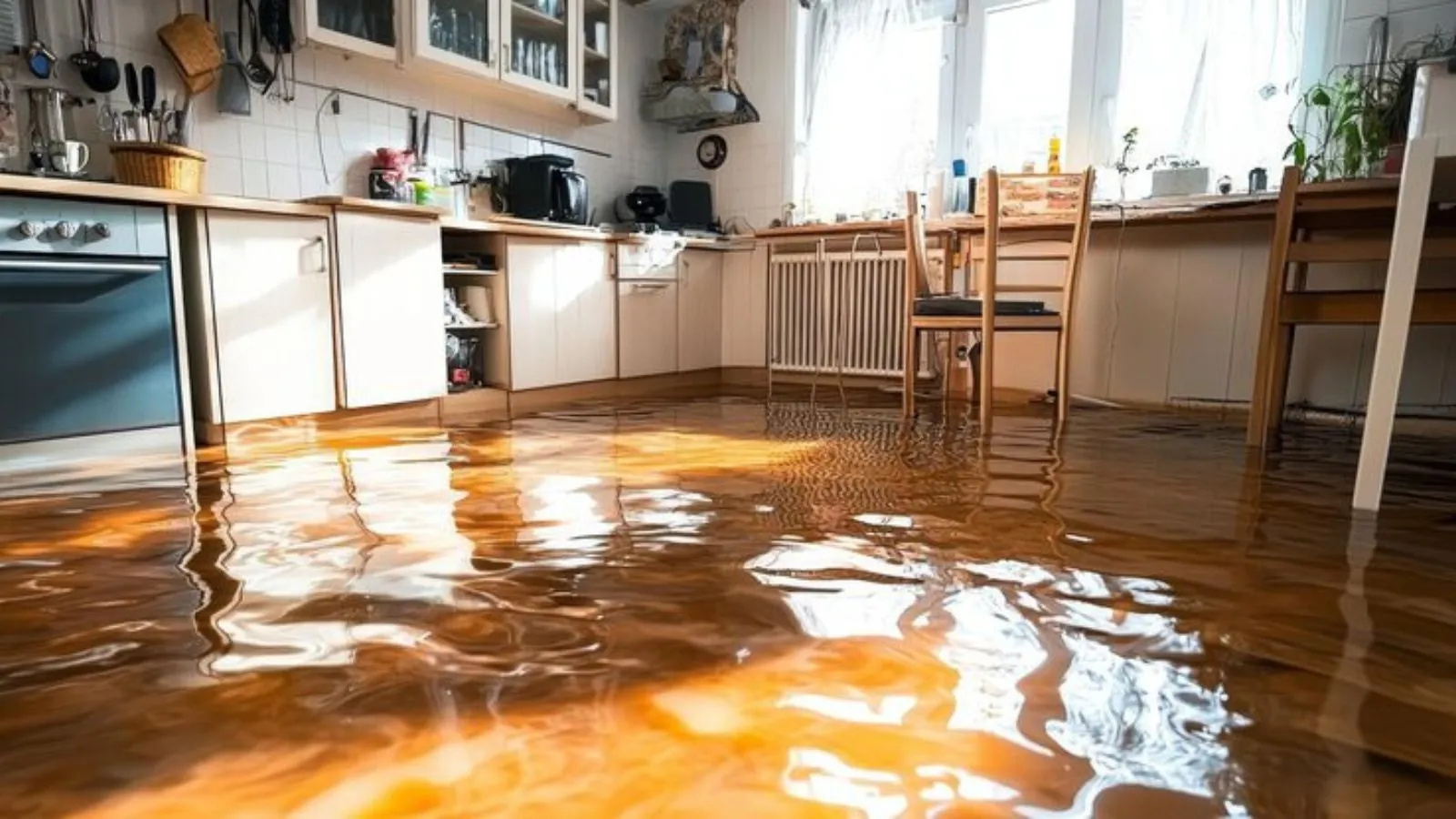
The word mitigation comes from reducing harm. In a water loss, it means acting quickly to limit how far the water spreads and how much material is ruined. Mitigation is different from repair. Repair puts the house back, and mitigation keeps the loss from growing while that is planned.
Mitigation work is usually done in the first days, while the structure is wet. Rebuilding follows once the building is dry.
What happens on a mitigation call
- Safety check for electrical, structural and contamination hazards.
- Stopping or confirming the end of the water source.
- Extraction of standing water with pumps and wands.
- Moisture mapping with meters and thermal cameras.
- Removal of materials that cannot be dried, such as soaked pad or insulation.
- Placement of air movers and dehumidifiers.
- Daily monitoring until the dry standard is reached.
What mitigation is not
It is not plumbing, and it is not roofing. A mitigation crew does not usually repair the pipe or the roof, and it does not rebuild cabinets. It works with those trades. It is also not a promise that everything will be saved. Some materials, such as carpet that touched sewage, are removed even if they can be dried.
The crew will explain what stays and what goes, and it should show the readings behind the decision.
How mitigation differs from restoration and repair
| Stage | Goal | Typical work |
|---|---|---|
| Mitigation | Stop the damage from growing | Extraction, drying, removal of ruined materials. |
| Restoration | Return the building to normal | Drying finish, cleaning, deodorizing. |
| Repair and rebuild | Replace what was removed | Drywall, flooring, paint, trim. |
In practice one company often does all three, and the line between them blurs. Remediation is a separate term, used mostly for mold, and this article stays with mitigation.
Equipment a mitigation crew brings
- Submersible pumps and extraction wands for standing water.
- Air movers that push air across wet surfaces.
- Dehumidifiers that pull moisture from the air.
- Moisture meters and thermal cameras.
- Protective gear and containment sheeting for contaminated jobs.
The structural drying page explains how the equipment is placed and how the readings are tracked.
Why speed matters
Water spreads and soaks in by the hour. Carpet pad, drywall bases and cabinet bases take on water quickly, and after a day or two the materials get harder to save. Clean water also becomes more contaminated as it sits. A crew that starts quickly keeps the rebuild smaller.
That is the reason for 24/7 lines. Water losses do not wait for business hours, and the first call is often at night.
Water still spreading? Call now.
Call (833) 521-1033A typical timeline of a mitigation job
| When | What happens |
|---|---|
| First visit | Safety check, source check, extraction and moisture mapping. |
| Same visit | Removal of materials that cannot be dried and placement of equipment. |
| Daily visits | Readings, equipment adjustments and notes. |
| Final visit | Readings reach the dry standard and equipment is removed. |
| After that | Rebuild planning and repairs. |
The number of days varies with the materials and the amount of water. The crew sets the plan from the readings, not from a calendar.
How mitigation fits with the plumber, roofer and insurer
A mitigation crew rarely works alone. A plumber repairs the pipe, a roofer closes the opening and the insurer reviews the loss. The crew shares readings and photographs with each party that needs them, and it schedules its visits around the repair so that equipment is not blocked. If you can, tell each person who else is involved and give them the crew phone number.
When the repair is done, ask the crew to confirm that readings are still falling. A fixed source that continues to leak somewhere else will show up in the numbers.
What you can do while the crew works
- Keep doors and windows closed in the drying area.
- Leave equipment running and plugged in.
- Keep children and pets away from equipment.
- Photograph the work and keep your own notes.
- Ask questions when something is unclear.
Equipment is loud and uses power, and the crew will explain how to live with it for a few days.
What to do before a mitigation crew arrives
Stop the water source if you can do it safely, switch off power to wet areas, and move valuables to a dry room. Do not walk through flood water that may be contaminated. Photograph everything, since the crew moves quickly once they are on site.
The published standard that defines the work
Mitigation is the part of restoration governed by ANSI/IICRC S500, the published standard for professional water damage restoration. It lists the steps of inspection, extraction, drying and documentation that a reputable company should follow.
How to choose a mitigation crew
Ask what the crew will do on the first visit, how it takes readings and what records it keeps. Ask for an itemized scope in writing. Ask who handles the rebuild, and whether the company coordinates with a plumber. The answers should come in writing, with an itemized scope.
Be wary of anyone who asks you to sign away your insurance rights or who will not explain a charge.
Mitigation in Manchester
Mitigation crews work across Manchester, from Downtown near Main Street to Buckland along Tolland Turnpike. See Buckland and Downtown Manchester for how building types change the work. A rebuild that follows mitigation may need a permit from the Manchester Building Inspection Division.
The Town operates the public water and sewer systems through the Water and Sewer Department, and a crew can tell you when a problem looks like it belongs to the public side.
Frequently asked questions
Is mitigation the same as water damage repair?
No. Mitigation limits the damage by extracting and drying, and repair replaces what was removed.
Do you handle night emergencies in Manchester?
Yes. The line is answered 24/7, and mitigation starts with a call at any hour.
Can mitigation save my carpet?
Sometimes, if the water is clean and the carpet is dried quickly. Contaminated water means removal.
Does the mitigation crew fix the pipe?
No. A plumber fixes the pipe, and the crew works around the repair.
Still have questions? Call (833) 521-1033