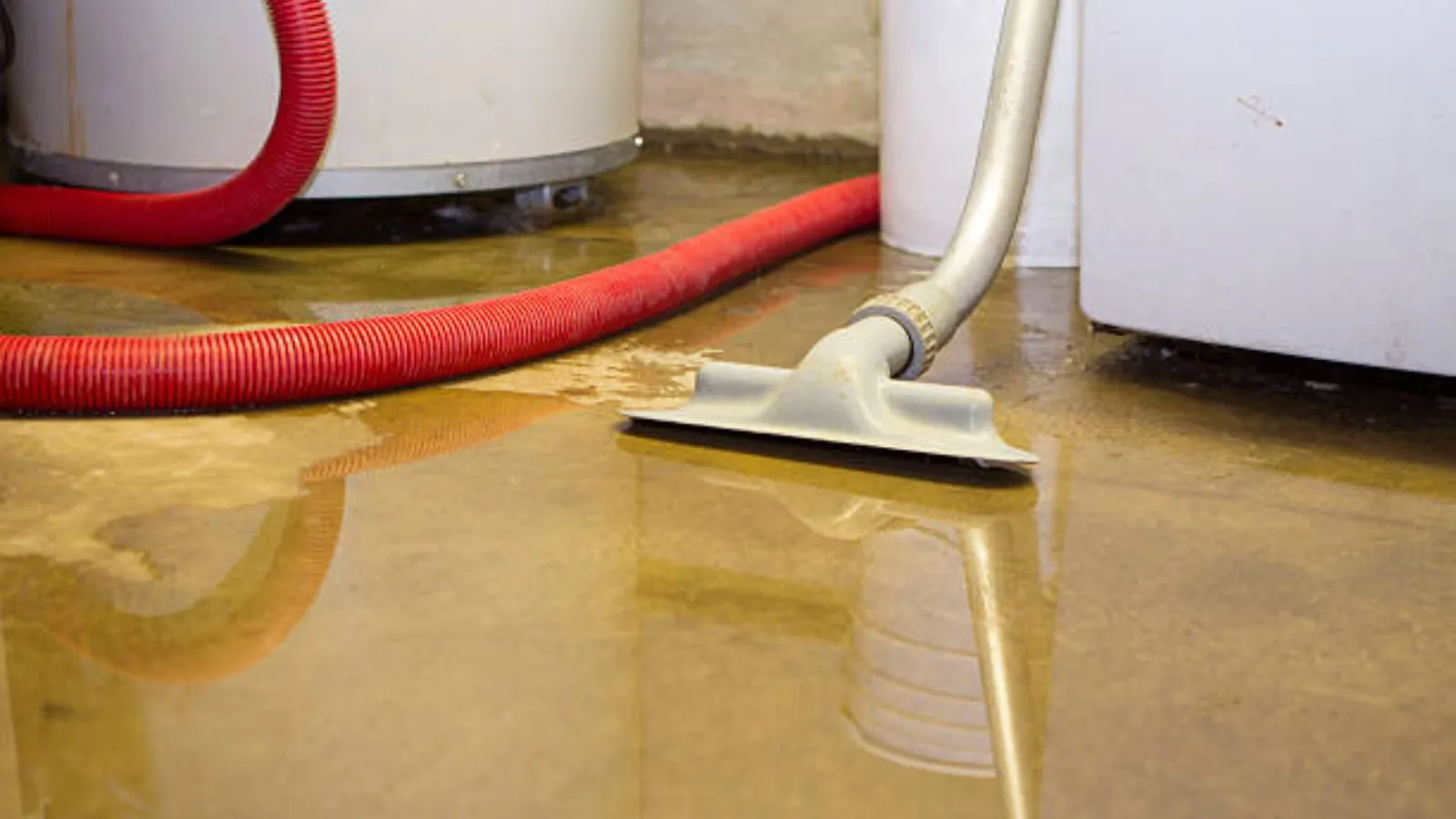
Step 1: Make everyone safe
Before anything else, check for hazards. Water near outlets, the panel or an appliance can be live. If you cannot tell, stay out and call the utility or 911. Keep children and pets away from standing water, and do not use a household vacuum on a wet floor. If the water smells like sewage, treat it as contaminated and see the sewage cleanup page.
Never operate a breaker while standing in water. If the panel is in a wet room, call for help instead.
Step 2: Stop the source
If the water is still coming, close the shut-off for the failed fixture, or the main valve if it is dry and reachable. A leaking roof is harder to stop, so cover the opening with a tarp only if you can do it safely from stable ground. Write down what you did and the time, because insurers often ask how quickly the owner acted.
A plumber or roofer fixes the source itself. The restoration crew handles the water damage that is already there.
Step 3: Document before you move things
Photographs and video are the backbone of a claim. Take wide shots of each room, then close shots of the damage and the water line. Photograph the source, such as the cracked hose, and keep it if you can. List damaged belongings with a rough age and value, since that list becomes part of the claim.
- Photograph the room before anything is moved.
- Record the time you discovered the water.
- Note where the water came from, if you know.
- Keep damaged items until the insurer has seen them, or photograph them if they must go.
Step 4: Call your insurer
Report the loss promptly, and write down the date, the name of the person you spoke to and the claim number. Ask what the insurer wants before work starts and whether an adjuster must see the damage first. Ask whether the policy requires you to use certain vendors, since some do not, and some leave the choice with you.
Describe the loss factually. Say what you saw, when you found it and what you did. Do not guess about the cause or the age of the damage. Whether the policy covers a particular cause is a coverage question for your insurer, so this guide sticks to the sequence.
Water still spreading? Call now.
Call (833) 521-1033Step 5: Get the water out and the building dry
Do not wait for a final claim decision before drying starts. Materials that stay wet get worse quickly, and many policies expect the owner to prevent further damage. A restoration crew will extract standing water, set equipment and take moisture readings, and it will give you an itemized scope you can send to the insurer. See the structural drying page for how the equipment works.
Ask the crew to keep daily logs of readings and equipment. They show what was wet, how it was dried and when the building reached a normal moisture level.
Step 6: Keep a file
| Keep | Why |
|---|---|
| Photos and video | Show the condition before work. |
| Moisture readings and equipment logs | Show what was wet and when it dried. |
| The itemized scope of work | Lists what was done and what is planned. |
| Receipts for emergency work | Often part of the claim. |
| Notes of every call with the insurer | Resolve disputes about what was said. |
| The failed part, if kept | May help show the cause. |
Documentation the published standard expects
ANSI/IICRC S500 expects a restorer to record moisture readings, equipment placed and the progress of drying. Those records, along with your own photographs, are the supporting material for most claims. Ask your restorer for a copy when the job closes.
Step 7: Rebuild and close out
Once the building is dry, the rebuild starts. Drywall, flooring and paint go back, and permits may be needed for certain work. The Building Inspection Division can say which permits apply to the work.
Before you sign off on the work, walk through the rooms and compare them with the scope. Keep the final invoices and any warranty paperwork supplied by the contractors.
Who to call locally
For a sewer problem outside your house, the Water and Sewer Department of the Town operates the public system, which flows to the Hockanum River Water Pollution Control Facility. A plumber can tell you whether a stoppage is in your own line or in the main.
For a flood, the FEMA Flood Map Service Center shows mapped flood hazard areas by address. A neighborhood page like Downtown Manchester gives local background without stating a zone for any property.
Frequently asked questions
How soon should I report water damage to my insurer?
As soon as you can after making the house safe. Many policies expect prompt notice, so check yours for the exact requirement.
Can I start drying before the adjuster arrives?
Usually yes, and most policies expect you to prevent further damage. Photograph the damage first and ask the insurer if it has other requirements.
Does the restoration company file my claim?
No. The claim is between you and your insurer. The company can supply readings, photographs and an itemized scope to support it.
Who do I call in Manchester if the sewer backs up?
Call a plumber to check your own line and the Town Water and Sewer Department if the problem may be in the public main. Then call a restoration crew for the cleanup.
Still have questions? Call (833) 521-1033