Two words, two goals
Restoration is about outcome. The building is damaged, and the goal is to return it to its condition before the loss. Remediation is about a hazard. The goal is to remove or reduce a specific problem, such as mold, so the space is safe to use. The two often happen on the same job, which is why the terms get mixed.
Neither word is a legal standard on its own. Contracts and scopes should name the work in plain terms.
Where each term shows up in water jobs
| Term | Used for | Examples |
|---|---|---|
| Restoration | Returning the building to normal | Drying, cleaning, repairing and rebuilding after a leak or flood. |
| Remediation | Removing a hazard | Mold removal, contaminated materials after sewage. |
| Mitigation | Stopping the damage from growing | Extraction and first-day drying. |
| Repair | Replacing what was removed | Drywall, flooring, paint. |
Water damage restoration
A water restoration job starts with stopping the damage, then drying and cleaning, and ends with a rebuild. If the water was clean and the response was fast, the job often stays at restoration. The crew extracts, dries, replaces what cannot be saved and finishes the surfaces. The extraction page and the drying page describe the early steps.
The goal is a dry building with normal readings, which the logs can show.
Mold remediation
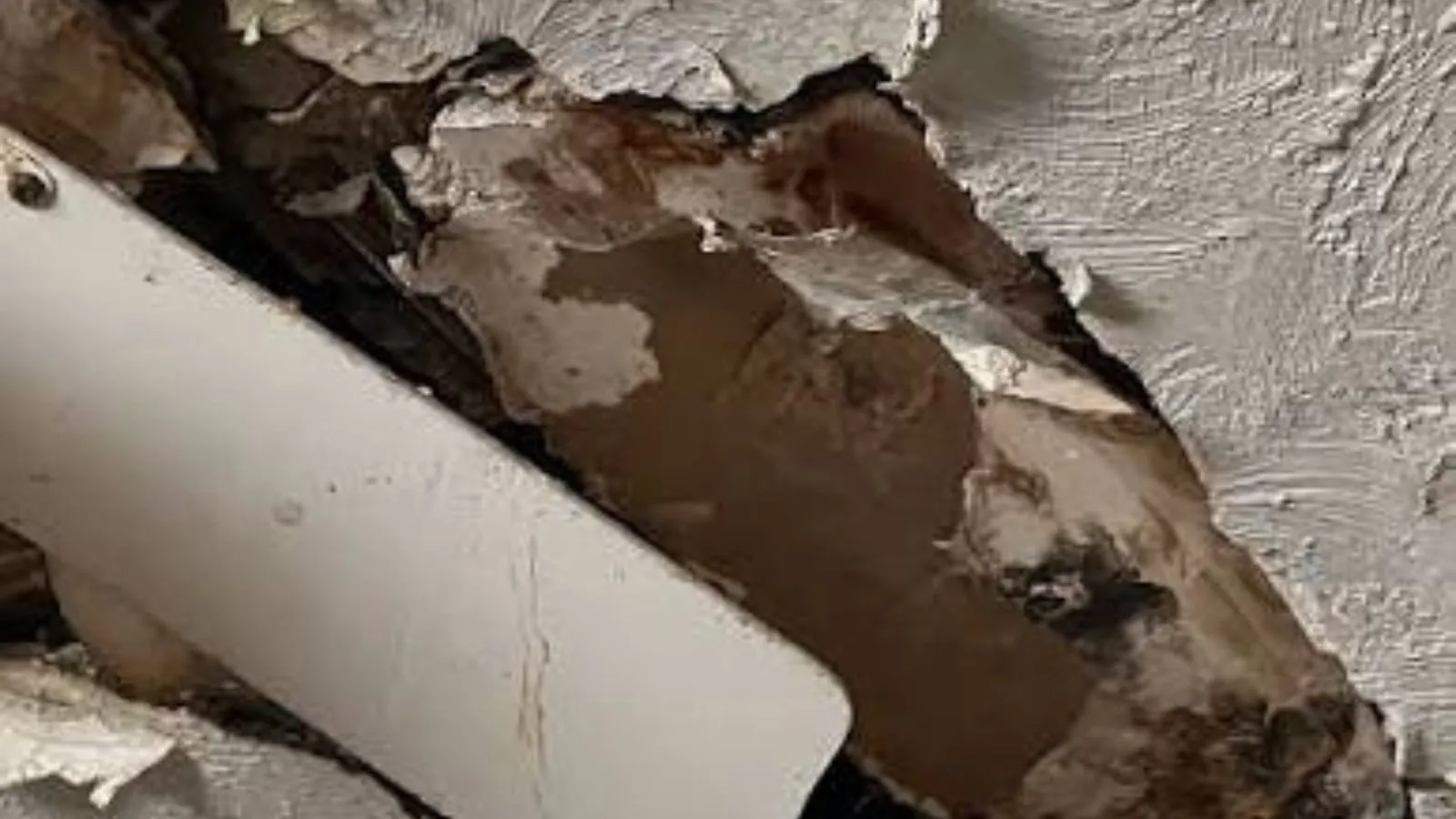
Mold remediation applies when growth is present. The work includes containment, removal of affected porous materials, cleaning of salvageable surfaces and drying the area. The aim is to remove growth and fix the conditions that fed it. A crew cannot promise that mold will never return, since that depends on moisture that may come from other sources later.
The mold remediation page lists the usual steps and what to ask.
How they work together
- A leak soaks a wall. Mitigation and drying stop the spread.
- If drying is fast, restoration finishes the job with repairs.
- If materials stayed wet and growth appears, remediation removes it in containment.
- Drying continues until the readings are normal.
- Rebuild closes up the area.
The order matters. Remediation without drying leaves the moisture. Drying without remediation can leave growth in place.
Water still spreading? Call now.
Call (833) 521-1033Three examples that show the difference
A supply line splits in a hallway and is caught within hours. The crew extracts, dries and replaces a small section of baseboard. That is restoration, with no mold work needed.
A slow leak behind a bathroom wall runs for weeks and the drywall shows growth. The crew removes the wall in containment, cleans the framing and dries it. That is remediation inside a larger restoration.
A basement takes in floodwater from outside. The crew removes carpet and pad, disinfects hard surfaces and dries the structure. That is restoration with contamination controls.
Each job uses some of the same tools, which is why the words overlap. What changes is the hazard and the precautions.
Questions to ask a company about its terms
- What does your scope call restoration, and what does it call remediation?
- Do you set up containment, and when?
- How do you decide what to remove and what to clean?
- What records do you keep for each stage?
- Who confirms the work is complete?
Clear answers help you compare scopes and understand what your insurer is being asked to cover.
Why the paperwork matters
Policies and scopes often use these words differently. A policy might cover water damage restoration after a sudden leak while limiting mold remediation to a set amount. A scope that mixes the two without labels makes it harder to see which part falls under which limit. Ask for the work to be itemized by stage, so you and your insurer can read each part on its own.
If a term is unclear, ask for it in plain words. Good paperwork does not need jargon to explain what will be done.
What to do before you call anyone
Work out whether the problem is water or mold, stop any source you can, and write down what you see. Do not start demolition on your own. Knowing which problem you have tells you whether to ask for restoration under the water standard or remediation under the mold standard.
The two published standards
Water damage restoration is governed by ANSI/IICRC S500. Mold remediation is governed by ANSI/IICRC S520. Both are real, published industry standards, and the difference between the two words in this page title largely follows the difference between these two documents.
Why the difference matters for you
- Insurance wording often treats water damage and mold differently.
- Estimates should say which work is restoration and which is remediation.
- Containment and clearance steps add scope to a mold job.
- A company that only restores may not do containment, and the reverse.
Ask which services the company performs itself and which it subcontracts. A clear scope avoids surprises later.
Both terms in local practice
In Manchester, work may touch several local offices. The Building Inspection Division is the office for rebuild permits, and the Town Water and Sewer Department runs the public system. The Downtown Manchester page explains how buildings here vary from houses to commercial blocks, which shapes the scope.
The Connecticut Insurance Department is the place for questions about insurance rules in the state.
Frequently asked questions
Is mold remediation part of water damage restoration?
Sometimes. If growth is present, remediation is added to the restoration scope. If drying is fast, mold may never appear.
Which one does my insurer cover?
It depends on your policy and the cause. Ask your insurer about both water damage and mold coverage.
Can one company do both in Manchester?
Often yes. Ask the company which services it performs and how it documents each.
Does remediation include a mold test?
Not necessarily. Testing is a separate step and an independent inspector can provide it.
Still have questions? Call (833) 521-1033