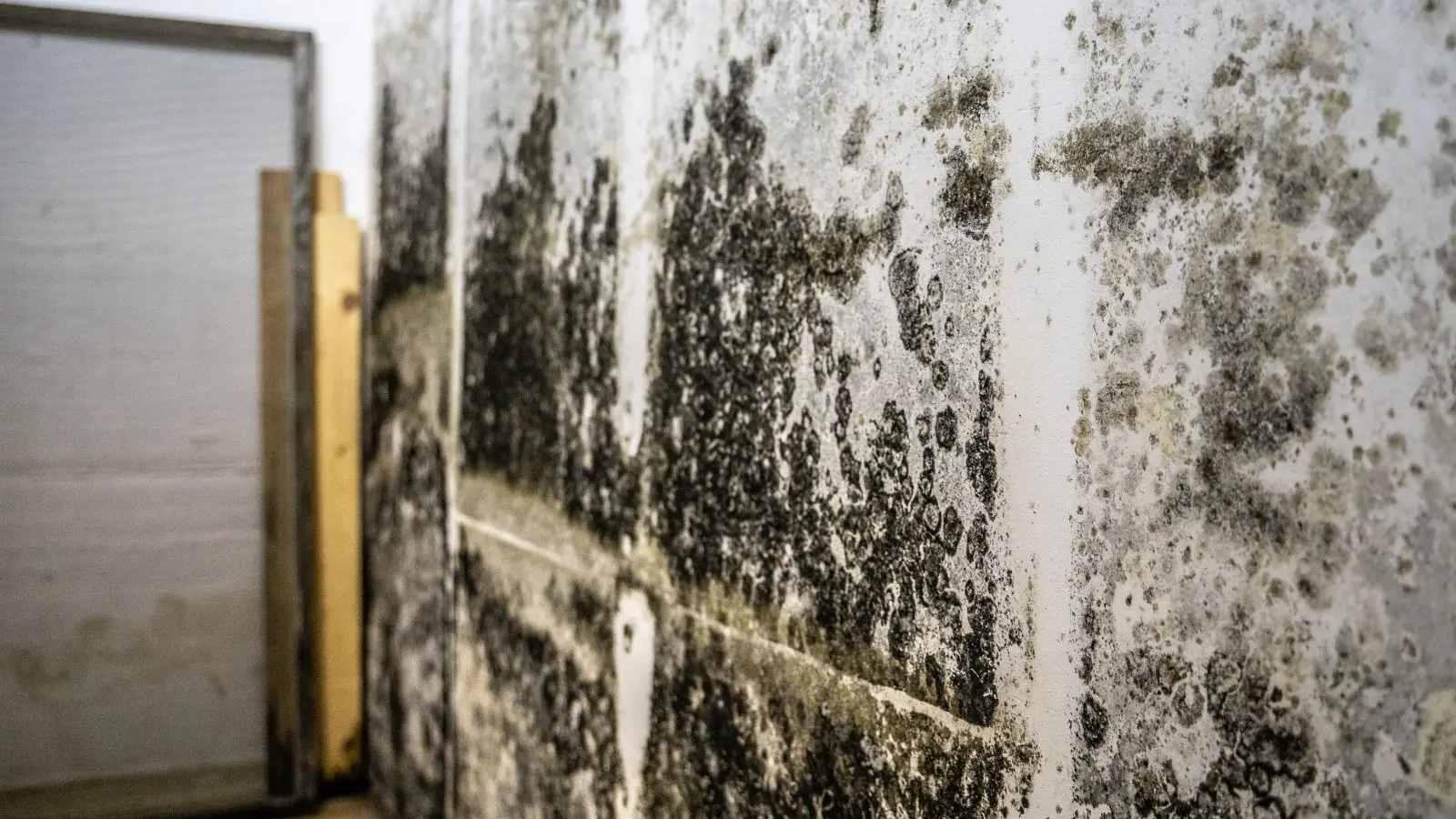
Start with water, not with color
Mold needs moisture, so the best detective work follows water. Look first for places that have been wet: under sinks, around windows, below roof leaks, near appliances and in basements and crawl spaces after a storm. Growth may be white, green, gray, brown or black, and color alone tells you little.
A musty smell with no visible source is also a clue. It often points to a damp cavity, such as a wall with a slow leak or insulation that never dried.
Visual signs
- Fuzzy, speckled or slimy patches on walls, ceilings or floors.
- Dark spots in the corners of ceilings and around vents.
- Peeling paint, bubbling wallpaper or swollen drywall.
- Stains with a ring that grows after humid weather.
- Warped baseboards or cabinet bases that stay damp.
A water stain is not always mold, but a stain that is damp, growing or smelling musty needs a look at the moisture source.
Smell and air clues
Mold often announces itself as a stale, earthy odor. The smell is strongest near the source and when the HVAC kicks on. If a room smells musty after the AC runs, check the air handler, the drain line and any ductwork in a crawl space or attic. A condensate leak is a common hidden cause, covered on the AC leak page.
Do not rely on smell alone. Some growth is odorless, and some smells come from other sources, such as old carpet or pets.
Where mold hides in houses
| Location | Why it holds moisture | What to check |
|---|---|---|
| Under sinks | Slow leaks at supply lines and drains | Cabinet floor, pipe fittings. |
| Behind appliances | Hose and valve leaks | Wall base, floor edge. |
| Attic | Roof leaks and poor ventilation | Underside of roof deck, insulation. |
| Crawl space | Ground moisture and condensation | Insulation, joists, vapor barrier. |
| Basement walls | Seepage and humidity | Corners, stored items, wall bottoms. |
| Bathrooms | Steam and poor fans | Ceiling, grout lines, window frames. |
Water still spreading? Call now.
Call (833) 521-1033Using a moisture meter
A meter finds the wet materials that feed growth. Reading a wall, a floor or a ceiling tells you where the water is, even when no mold is visible. A restoration crew reads many points and compares them with a dry standard. See the structural drying page for how readings work.
A hygrometer, which measures humidity in the air, is a cheap tool for homeowners. Indoor humidity that stays high for long stretches supports growth, so a dehumidifier in the basement can help.
About mold testing
Test kits and lab sampling can tell you what kind of mold is present and how much is in the air or on a surface. They do not tell you where the moisture is coming from, and results vary with sampling method. If you want testing for a lender, a landlord or your own records, an independent inspector can do it. Keep the testing separate from the company doing any cleanup.
This article does not give health advice. If you have health concerns, talk to a doctor.
Room-by-room walk-through
Start where water enters or collects. In the kitchen, look under the sink and behind the dishwasher. In bathrooms, check the ceiling, the fan and the base of the tub. In bedrooms, look at the corners of exterior walls and the area behind headboards. In the basement, check the bottom of walls and the back of stored boxes. In the attic, look at the underside of the roof deck near chimneys and vents.
Use a flashlight and look at an angle, since growth is easier to see in raking light. Take photographs and note the date, so you can tell later whether anything has changed.
The standard that governs testing and cleanup
ANSI/IICRC S520 is the published standard for professional mold remediation and it describes assessment before cleanup. It does not make health claims. Testing is a separate service, and results should be read by the person who ordered them or by a qualified professional.
What to do if you find it
- Do not disturb it, brush it or spray it.
- Close the door to the room and keep the HVAC from pulling air through it.
- Find and stop the moisture source if you can do so safely.
- Photograph the area and note the date.
- Call a crew if the growth is larger than a small patch or is on porous material.
Humid spaces in Manchester homes
Town planning documents list the Hockanum River and several brooks, including Bigelow Brook, Birch Mountain Brook, Hop Brook, Lydall Brook and Porter Brook. A house near water is not automatically damp, but ground moisture can reach a basement or crawl space from any direction. The basement page and the crawl space page describe the cleanup side.
After a storm like those of summer 2021, which flooded roads and damaged parkland, any wet basement should be checked within days.
Frequently asked questions
Can I tell mold from dirt by color?
Not reliably. Mold comes in many colors. A damp, musty or growing patch is a reason to look for the moisture source.
Does every musty smell mean mold?
No, but a musty smell often points to a damp area. Check for leaks, wet insulation and humid crawl spaces.
Should I get a mold test in my Manchester house?
Only if you want one for a lender, a landlord or your own records. A visual check and moisture readings usually scope the work.
Where is the best place to look after a flood?
Check wall bases, under carpet and pad, inside cabinets and in the crawl space or basement corners within the first days.
Still have questions? Call (833) 521-1033